


Pushchair Stroller
Add a review FollowOverview
-
Sectors Developers
-
Posted Jobs 0
-
Viewed 61
Company Description
10 Signs To Watch For To Look For A New Pram To Stroller
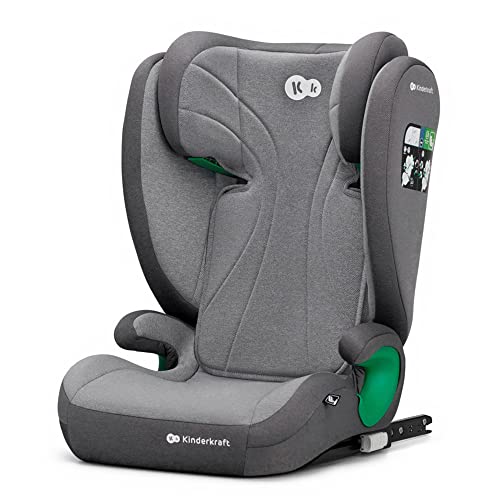
Transitioning from Pram to Stroller: A Comprehensive Guide for Parents
Navigating the world of baby gear can be overwhelming for brand-new parents, specifically when it comes to selecting in between prams and strollers. Both serve important functions, but they are created for different needs and stages of a kid’s development. This article aims to inform parents about the shift from prams to strollers, detailing the advantages and factors to consider while providing practical tips.
Comprehending Prams and Strollers
Before diving into their differences, it’s vital to comprehend what constitutes a pram and a stroller.
Prams:
A pram, brief for perambulator, is normally designed for babies up to around 6 months old. It includes a flat, cushioned sleeping location and is primarily planned for carrying really kids. Prams are developed for convenience and safety, as newborns need to lie flat to support their spine and organs.
Strollers:
Strollers, or pushchairs, are created for a little older kids who can sit up unaided. They can be found in numerous styles and configurations, from lightweight umbrella strollers to heavier-duty designs ideal for rough surfaces. Strollers are more versatile and simpler to steer in crowded spaces, making them a popular choice for active households.
Benefits of Transitioning from Pram to Stroller
-
Increased Mobility and Convenience
Strollers are typically lighter and more compact than prams, making them much easier to navigate through shops, public transport, and crowded locations. The majority of strollers can fold easily, enabling for practical storage. -
Versatility for Different Activities
Modern strollers often include multiple configurations and can accommodate various activities, including running, outdoor adventures, and shopping trips. They can likewise adjust to suit kids of various ages and weights. -
Improved Child Comfort and Safety
Lots of strollers now come geared up with innovative safety features, such as five-point harnesses and reclining seats, making sure that older babies and young children remain comfy and safe during getaways. -
Economical Solution
Rather than buying both a pram and a stroller, families can purchase a premium stroller that satisfies the requirements of their growing kid, possibly conserving money in the long run.
When to Make the Transition
The shift from a pram to a stroller usually takes place when the kid reaches around 6 to seven months of age or when they can stay up unassisted. However, several factors can influence this shift, including:
- Child’s Development: If the kid reveals indications of wanting to explore their environments, it might be time to change to a stroller.
- Household Lifestyle: Active families might need a stroller faster to accommodate getaways and travel.
- Convenience: Observe the kid’s comfort level. If they seem confined in a pram or are ending up being more active, it’s time to think about a stroller.
Selecting the Right Stroller
Selecting the right stroller needs cautious factor to consider of numerous aspects:
| Factor | Description |
|---|---|
| Safety Features | Try to find durable construction, efficient brakes, and harness systems. |
| Weight and Foldability | Pick a light-weight stroller that is simple to fold and carry. |
| Age Appropriateness | Guarantee the stroller is suited for your child’s age, weight, and height. |
| Maneuverability | Check how quickly the stroller relocations and turns, especially in congested areas. |
| Storage Space | Consider the storage capacity below the stroller and the size when folded. |
| Adjustability | Try to find strollers with adjustable features, such as seat recline and handle height. |
FAQs about Transitioning from Pram to Stroller
Q: Is it essential to change to a stroller?A: While it’s not obligatory, switching to a stroller normally offers more versatility and ease for both parent and child as they grow. Q: What includes ought to I prioritize
in a stroller?A: Prioritize security features, weight, foldability, and storage capacity based on your way of life and activities with your child. Q: Can I use a stroller for newborns?A: Some strollers can accommodate infant safety seat or
have flat reclining seats, making them suitable for
newborns. Constantly examine the maker’s standards. Q: How can I ensure my child is comfortable in a stroller?A: Look for strollers with padded seats, numerous recline positions, and adjustable leg rests to accommodate your child’s convenience. Q: What are the best types of strollers available?A: Popular types consist of umbrella strollers, running strollers, travel system strollers, and convertible strollers, each catering to differentrequirements. Tips for a Smooth Transition Test Out Different Models: Before dedicating to a purchase, physically test different strollers to see which one suits both you and your child best. Involve Your Child:
If they are old enough, permit your
-
child to check out different strollers to see which they find most comfortable. Read Reviews: Consider looking at online reviews and suggestions from other moms and dads to much better inform your decision
. Prepare for Storage and Transport: Factor in how the stroller will suit your automobile or home storage area to avoid future inconveniences.
-
Evaluate Your Activities: Think about where and how you prepare to use the stroller– metropolitan locations may need a different type compared to rural or off-road settings.
-
Transitioning from a pram to a stroller is an important turning point in a child’s life and a significant choice for moms and dads. By comprehending the distinctions and
-
advantages of each, moms and dads can make informed options that will support their household’s way of life and their child’s development. Equipped with the best info, parents can confidently browse this transition and
make sure that their child is safe, comfy, and ready for all the experiences ahead.